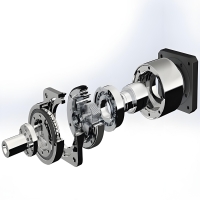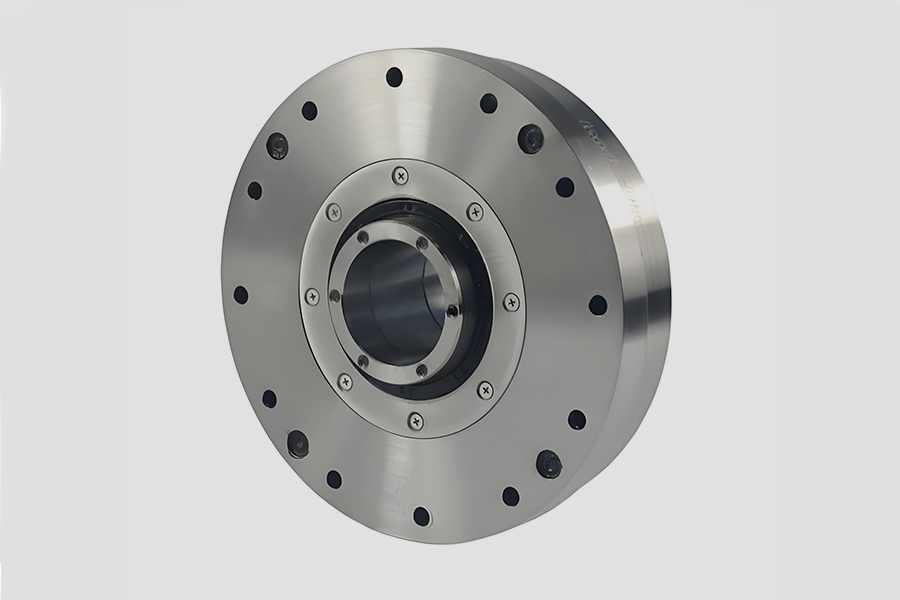


RV reducers are widely used in rotary joints of industrial robots and automated machinery, and the bearings inside them directly determine the overall performance, positioning accuracy and service life of the whole reducer. Many equipment designers focus on reducer gear parameters while overlooking the importance of matched bearings. Without high-quality RV reducer bearings, the reducer will suffer from torque fluctuation, increased backlash and early wear even if the gears are processed perfectly.
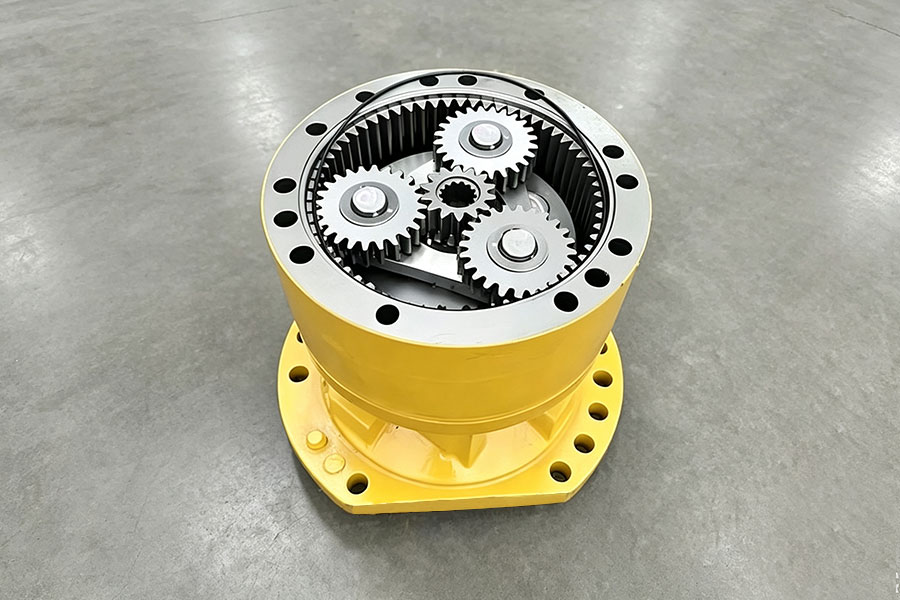
Unlike standard rolling bearings, bearings built for RV reducers work under complex combined loads. During operation, they need to withstand radial force, axial force and overturning torque at the same time, and maintain stable precision under repeated start-stop and frequent forward and reverse rotation. The working space inside the RV reducer is limited, so these bearings must keep compact dimensions while retaining sufficient rigidity and load capacity. This special requirement makes them different from common general-purpose bearings.
Most RV reducer bearings adopt cross roller structure or specially designed cylindrical roller layout. The rollers are arranged in a staggered way, so the bearing can bear loads from multiple directions. The raceway surface goes through ultra-precision grinding to minimize running friction and control torque variation within a small range. Strict heat treatment is applied to improve surface hardness and wear resistance, which slows down raceway wear under continuous cyclic load. Low dimensional tolerance ensures consistent preload during assembly, which is key to reducing backlash for joint rotation.
These bearings are mainly installed at two core positions inside the RV reducer: the output main bearing and the crankshaft support bearing. The output main bearing carries the largest overturning load of the joint and supports the output flange directly. It maintains the positioning accuracy of the robot end effector. The crankshaft support bearings support the eccentric crankshaft, stabilizing the rotation of the pin gear mechanism and reducing vibration during high torque output. If either set of bearings loses precision, the whole joint will produce positioning deviation.
RV reducer bearings serve a broad range of automation applications. They are most commonly used for joints of industrial robots, including articulated robots, palletizing robots and handling robots. They also fit rotary positioning tables, automated machining fixtures and heavy-duty precision rotary modules. In these devices, stable bearing performance keeps repeat positioning accuracy over millions of working cycles and cuts down maintenance downtime.
When selecting RV reducer bearings, buyers should not only check basic size parameters. It is necessary to confirm material grade, grinding accuracy grade, preload options and working torque limits. A properly matched bearing can extend the service cycle of the RV reducer greatly. Choosing bearings with insufficient rigidity will lead to premature precision loss and higher long-term operation cost.
As automation equipment continues to develop toward higher load and better repeat accuracy, the demand for reliable RV reducer bearings keeps growing. Better raceway processing and improved material technology will continue to lift bearing performance. For robot manufacturers and reducer producers, selecting qualified RV reducer bearings remains a simple but vital step to guarantee stable operation of precision rotary transmission systems.


We are a bearing manufacturing enterprise that integrates research and development, design, production, and sales.
© Copyright Hebei Tianma Bearing Manufacturing Co., Ltd 2026 © All Rights Reserved. sitemap