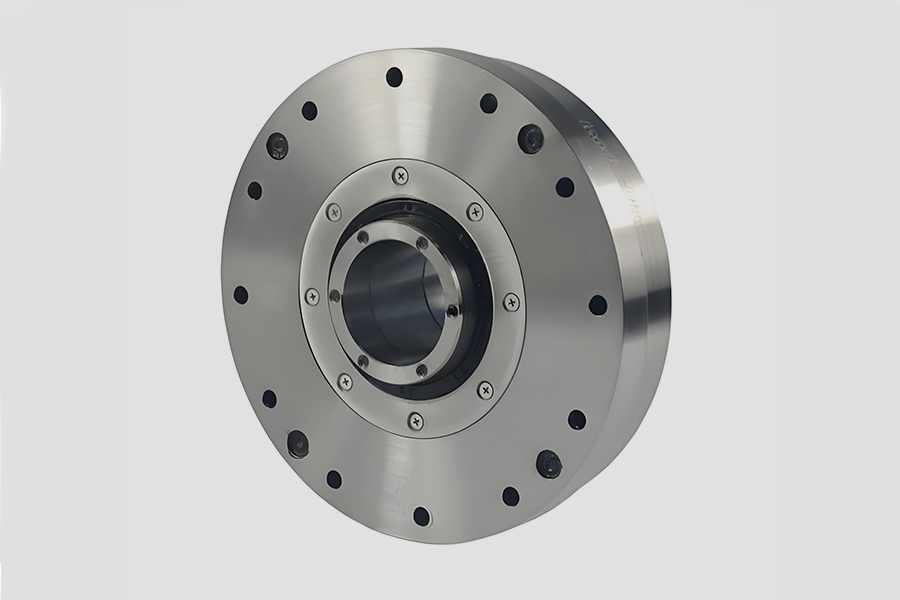


If you are working on mechanical designs with limited installation space, standard bearings often cannot fit your layout requirements. Thin section bearings, also known as thin wall bearings, were developed exactly to solve this common engineering challenge.
Unlike regular ball bearings, the cross-sectional size of thin section bearings stays almost unchanged even when the bore diameter increases. This special design greatly reduces radial space occupation and cuts component weight, while still maintaining high rotational accuracy. This advantage makes it much easier for engineers to build compact equipment structures.
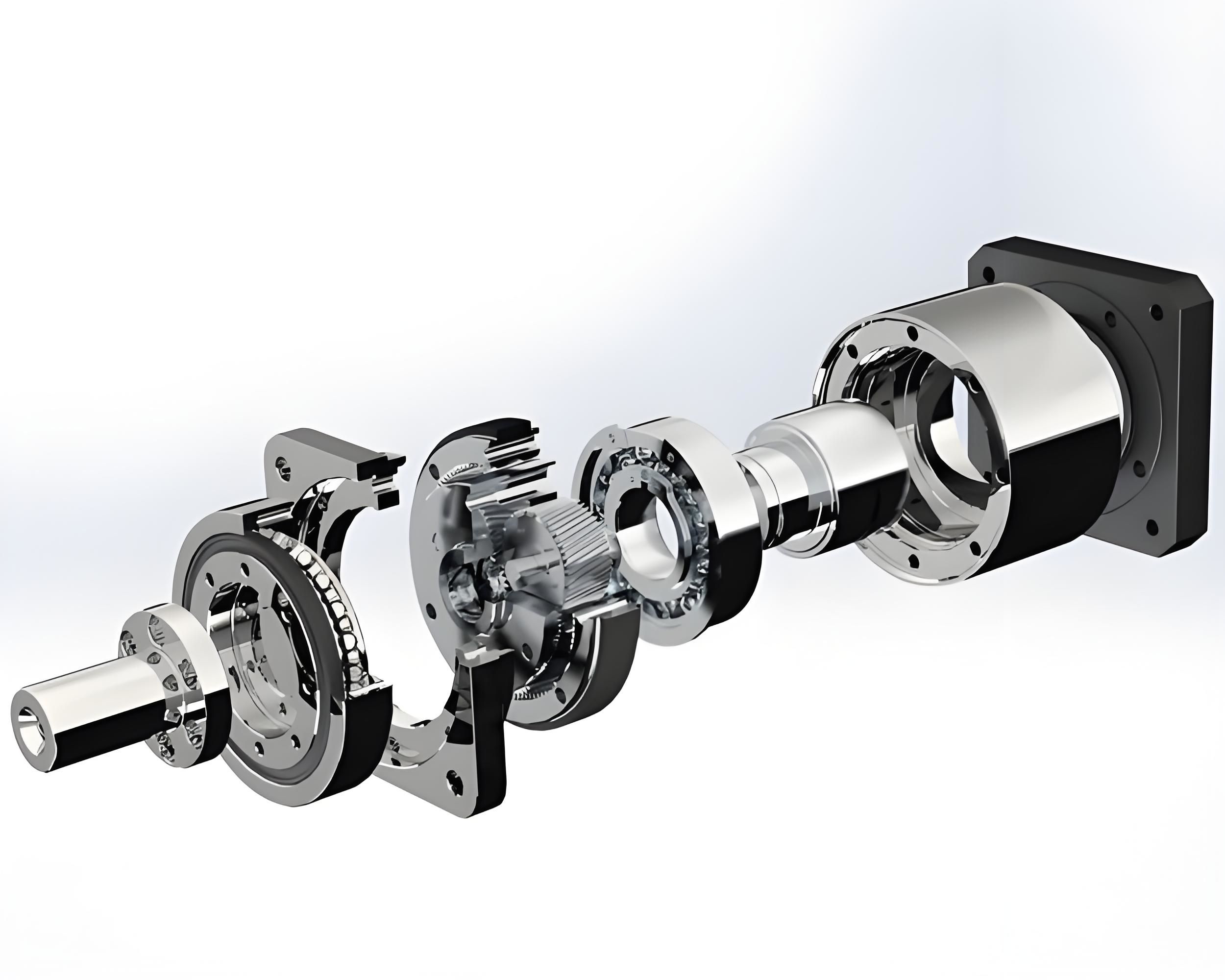
There are multiple common types of thin section bearings on the market, such as deep groove ball thin bearings, angular contact thin bearings and four-point contact ball bearings. Different structures carry different load conditions. Four-point contact thin bearings can bear radial load, axial load and overturning moment load at the same time, so they are frequently used for rotary positioning mechanisms. Manufacturers provide chrome steel and stainless steel materials. Stainless steel thin bearings work well under humid and slightly corrosive conditions. Open, shielded and sealed structures are available to meet different lubrication and dust protection needs.
Thin section bearings have obvious advantages in practical use. The first is space saving. Designers can reserve internal space for sensors, wiring and other key parts. Second, these bearings feature low running torque and smooth rotation, effectively controlling vibration and runout error. Third, the light weight reduces moving inertia, suitable for systems requiring fast and repeated positioning.
These bearings serve a wide range of industrial applications. Industrial robot joints adopt thin section bearings to realize compact joint assembly and stable motion control. Semiconductor processing equipment uses them for low particle generation during wafer transfer. Medical robotic arms and imaging equipment take advantage of their slim size and quiet operation. Optical inspection machines, automation rotary tables and packaging equipment also choose thin wall bearings for precision rotary movement.
One important point to keep in mind: thin section bearings are designed for light to moderate loads. They are not suitable for heavy shock loads. When selecting models, engineers need to evaluate load value, operating speed, working temperature and environment, then select the right series and sealing form. Correct lubrication and careful installation help retain precision and extend service life.
With more industries pursuing miniaturized and intelligent mechanical equipment, the market demand for thin section bearings continues to grow. When your project needs precise rotation with limited space and weight budget, thin section bearings are a trusted component option for mechanical designers.


We are a bearing manufacturing enterprise that integrates research and development, design, production, and sales.
© Copyright Hebei Tianma Bearing Manufacturing Co., Ltd 2026 © All Rights Reserved. sitemap