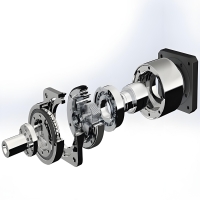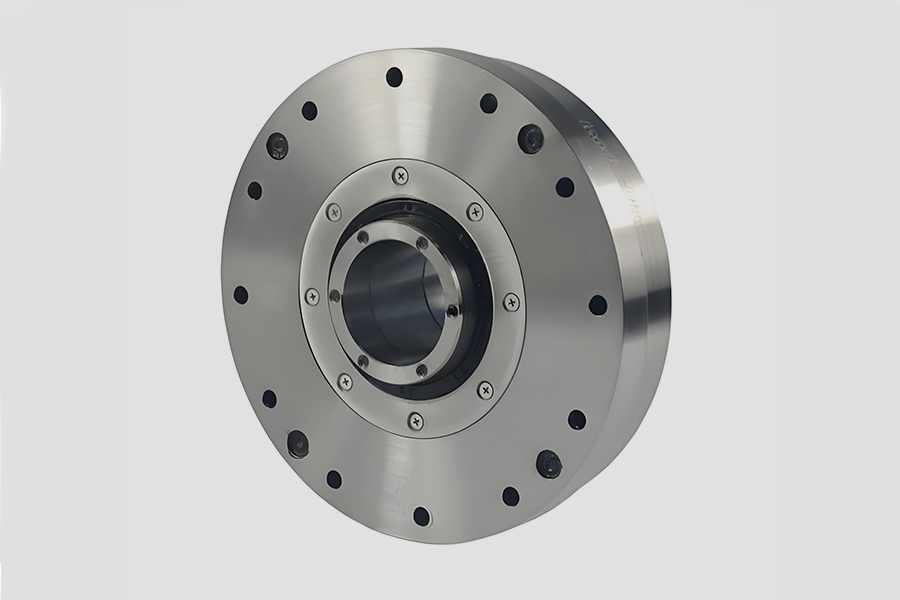


Most precision transmission users are familiar with harmonic reducers for their zero backlash, high torque density, and ultra-compact structure. However, few people fully understand that the entire strain wave transmission system cannot work without one key component: the flexible bearing. As a unique precision bearing specially designed for harmonic drive reducers, flexible bearings differ completely from standard rolling bearings in structural design, working principle and load characteristics. They are the fundamental guarantee for stable elastic deformation and high-precision operation of harmonic reducers.
Different from ordinary bearings that maintain a round shape during operation, flexible bearings are required to undergo continuous and repeated elastic deformation in daily work. Installed on the elliptical wave generator inside the harmonic reducer, the bearing changes from a circular state to an elliptical state as the wave generator rotates. This subtle and periodic deformation drives the flexspline to produce regular strain wave movement, realizing the meshing transmission between the flexspline and circular spline. This special working mode makes flexible bearings irreplaceable core parts for strain wave gear systems.
The manufacturing and precision standards of flexible bearings are far stricter than conventional thin section bearings. Since the bearing needs to bear alternating tension and pressure during frequent elastic deformation, the material must have high fatigue resistance and uniform structural toughness. High-purity bearing steel and precise ultra-thin wall processing technology are adopted to ensure uniform wall thickness and smooth raceway surface. After multiple precision grinding and stable heat treatment procedures, the bearing can avoid local stress concentration and premature wear during long-term cyclic deformation.
In actual operation, flexible bearings face extremely complex working conditions. They need to adapt to high-frequency forward and reverse rotation, continuous elastic deformation, and tiny alternating loads for a long time. Poor-quality flexible bearings are prone to precision attenuation, raceway peeling or increased friction torque after a short working cycle, which directly leads to increased reducer backlash, unstable positioning accuracy and shortened service life. High-quality flexible bearings can maintain consistent deformation uniformity and low friction characteristics throughout the whole service cycle, ensuring the reducer always outputs stable torque and precise positioning performance.
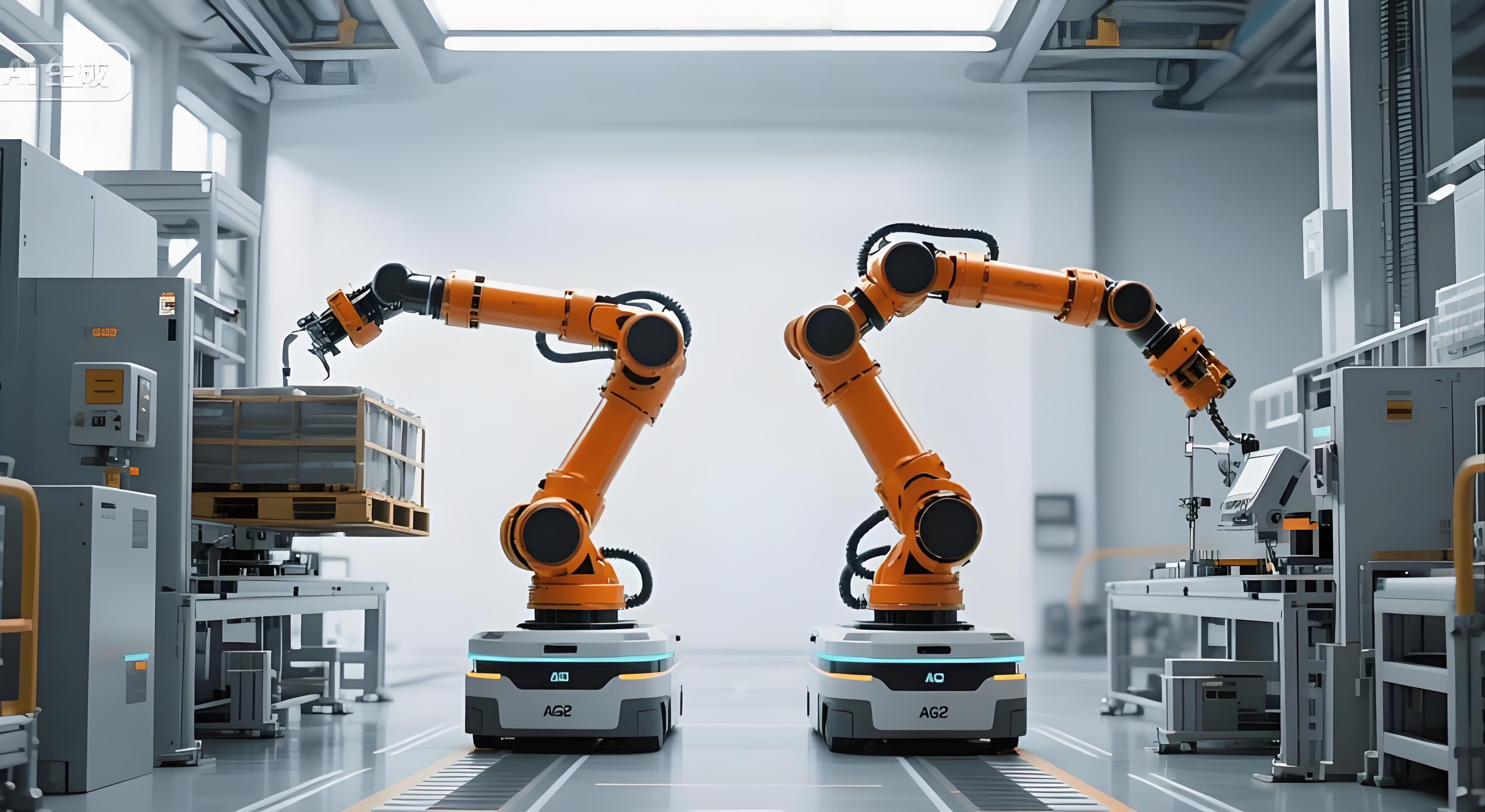
Flexible bearings are widely used in high-end precision transmission scenarios that require miniaturization, lightweight and zero-backlash transmission. In collaborative robot joints and humanoid robot rotary modules, they help the harmonic reducer achieve lightweight design while ensuring flexible and accurate joint movement. In medical precision equipment such as minimally invasive surgical instruments and rehabilitation robots, the stable low-torque performance of flexible bearings ensures ultra-smooth micro-motion control.
In optoelectronic scanning equipment and precision detection instruments, flexible bearings support high-precision angle adjustment and stable rotary positioning, effectively avoiding micro-vibration interference. They are also commonly used in semiconductor handling equipment, precision automation rotary platforms and miniature servo transmission mechanisms, adapting to various high-precision and high-stability working environments.
It is worth noting that the performance matching of flexible bearings directly determines the overall quality of harmonic reducers. Many harmonic reducer precision failures are not caused by gear problems, but by insufficient deformation stability and poor fatigue resistance of internal flexible bearings. Therefore, selecting high-precision and high-fatigue-resistance flexible bearings is a key step to improve the overall stability and service life of strain wave transmission systems.
With the continuous upgrading of precision automation and intelligent equipment, the market puts forward higher requirements for the stability, durability and precision consistency of harmonic transmission components. As the core elastic supporting component, flexible bearings will continue to play an indispensable role in high-end precision transmission fields, providing reliable basic support for lightweight, high-precision and long-life intelligent motion equipment.


We are a bearing manufacturing enterprise that integrates research and development, design, production, and sales.
© Copyright Hebei Tianma Bearing Manufacturing Co., Ltd 2026 © All Rights Reserved. sitemap